Sexual health and well-being are fundamental aspects of a fulfilling life, yet they are often shrouded in misinformation and societal myths. These misconceptions, passed down through generations or perpetuated by popular culture, can lead to confusion, anxiety, and even risky behaviors. Understanding the truth behind common sex myths is not just about correcting facts; it is about empowering individuals to make informed decisions, foster healthier relationships, and experience greater sexual satisfaction.
What it is
Sex myths are pervasive, often stemming from a lack of comprehensive sex education, cultural taboos, and the spread of anecdotal evidence. From playground whispers to misleading media portrayals, these narratives distort our understanding of human sexuality, reproduction, pleasure, and health. The impact of these myths can be significant, influencing everything from contraception choices and STI prevention to self-esteem and partner communication. They can create unrealistic expectations, generate unnecessary shame, and ultimately hinder a person's ability to engage in safe, consensual, and pleasurable sexual experiences.

Why it matters / who it's for
Debunking sex myths is crucial for promoting overall sexual health and well-being. Accurate information empowers individuals to navigate their sexual lives with confidence and knowledge, leading to better decisions about their bodies and relationships. Understanding the realities of sexual health facilitates open and honest communication with partners, fostering intimacy and mutual respect. Moreover, it is vital for ensuring safer sexual practices, preventing unwanted pregnancies, and reducing the transmission of sexually transmitted infections. For anyone seeking to understand their own sexuality better, improve their relationships, or simply ensure they are making informed health choices, dispelling these myths is an essential step towards a healthier, happier sexual landscape.
Main types / variants
Myth 1: Size Matters Most for Pleasure
The misconception that penis size is the primary determinant of sexual satisfaction is widespread. This myth often places undue pressure on individuals and can lead to body image issues. The reality is that the vagina's nerve endings are concentrated in the outer third, and clitoral stimulation is paramount for most women to achieve orgasm. Technique, emotional connection, communication, and overall intimacy contribute far more to pleasure than physical dimensions. What you need to know is to prioritize mutual enjoyment and open dialogue about desires, focusing on diverse forms of pleasure rather than a singular physical attribute.
Myth 2: Women Can't Get Pregnant During Their Period
Many believe that menstruation offers a complete shield from pregnancy, leading some to forgo contraception during this time. The truth is, while less likely, pregnancy during a period is biologically possible. Sperm can survive inside the female reproductive tract for up to five days, and ovulation can occur earlier or irregularly, especially in cycles shorter than 28 days. This means sperm from sex during a period could still be viable when ovulation eventually happens. What you need to know is to always use reliable contraception if pregnancy is to be avoided, regardless of the menstrual cycle phase.
Myth 3: You Can Tell If Someone is a Virgin
The idea that a person's virginity can be physically determined, often by the state of their hymen, is a harmful and inaccurate myth. The hymen is a thin membrane that varies greatly in its natural form and elasticity from person to person. It can stretch or tear due to non-sexual activities like exercise, tampon use, or medical examinations, or it may not tear at all during initial sexual intercourse. There are no reliable physical signs that indicate whether someone has had penetrative sex. What you need to know is that virginity is a personal and social construct, not a physical state, and defining it should be left to the individual.
Myth 4: Sex Should Always Lead to Orgasm for Both Partners
This myth fosters a performance-oriented view of sex, often leading to pressure and disappointment if orgasm isn't achieved by one or both partners. While orgasm can be a wonderful part of sex, it is not the sole goal or measure of successful intimacy. The reality is that sex encompasses a wide range of activities, including kissing, touching, foreplay, and emotional connection, all of which contribute to pleasure and intimacy. Not every sexual encounter needs to culminate in orgasm, and focusing solely on this outcome can detract from other forms of enjoyment. What you need to know is to prioritize mutual enjoyment, connection, and open communication about desires, rather than fixating on a specific outcome.
Myth 5: All STIs Have Obvious Symptoms
A dangerous myth suggests that you would always know if you had a sexually transmitted infection (STI) because symptoms would be clear. The reality is that many STIs, such as chlamydia, gonorrhea, herpes, and HPV, can be asymptomatic or present with very mild, non-specific symptoms that are easily overlooked or mistaken for other conditions. This 'silent' nature allows STIs to be unknowingly transmitted to others and progress to more serious health issues if left untreated. What you need to know is that regular STI testing is crucial for anyone who is sexually active, regardless of whether they experience symptoms, for both prevention and early treatment.
Myth 6: The Withdrawal Method is Effective Contraception
The 'pulling out' or withdrawal method is often mistakenly considered a reliable form of contraception. However, it has a high failure rate because it relies entirely on perfect timing and self-control, which are difficult to maintain during sex. Pre-ejaculate, which can contain sperm, can leak from the penis before full ejaculation. Additionally, withdrawing too late is a common occurrence. The reality is that, with typical use, the withdrawal method is significantly less effective than other forms of contraception, leading to a much higher risk of unintended pregnancy. What you need to know is to use more reliable forms of contraception, such as condoms, birth control pills, or IUDs, for effective pregnancy prevention.
Myth 7: Lubrication Always Means a Woman is Aroused
Natural vaginal lubrication is a common sign of arousal, but it is not always a direct or sole indicator of desire or readiness for sex. Lubrication can occur for various reasons, including artificial lubricants, hormonal fluctuations, certain medications, or even just general physical stimulation without a corresponding mental desire. A woman might be physically wet but not mentally or emotionally aroused, or she might be aroused but not producing enough natural lubrication. What you need to know is that arousal is a complex interplay of physical and psychological factors; consent, comfort, and explicit communication about desire are always paramount, regardless of physical signs.
Myth 8: Sex Drive Naturally Decreases with Age
The myth that older adults lose interest in sex and that sexual activity ceases with age is a misconception that can lead to feelings of isolation or inadequacy. While libido can change throughout life due to hormonal shifts, health conditions, or life circumstances, sexual desire and activity do not simply disappear with age. Many older adults maintain active and fulfilling sex lives, often prioritizing quality, intimacy, and connection over frequency. What you need to know is that sexual desire and activity can continue and evolve throughout life; communication with partners and healthcare providers, along with adapting to physical changes, can help maintain a healthy sex life at any age.
Myth 9: Masturbation is Harmful or Only for People Without Partners
Historically, masturbation has been stigmatized, leading to myths that it is harmful, causes illness, or is only for those who lack a sexual partner. The reality is that self-pleasure is a healthy, normal, and beneficial aspect of human sexuality. It provides a safe way to explore one's body, understand personal desires, relieve stress, and can even improve sleep. Far from being a substitute for partnered sex, masturbation can enhance it by increasing self-awareness and communication about what feels good. What you need to know is that self-pleasure is a vital part of sexual health and discovery, offering numerous physical and psychological benefits.
Myth 10: Oral Sex is 'Safe Sex' Because You Can't Get Pregnant
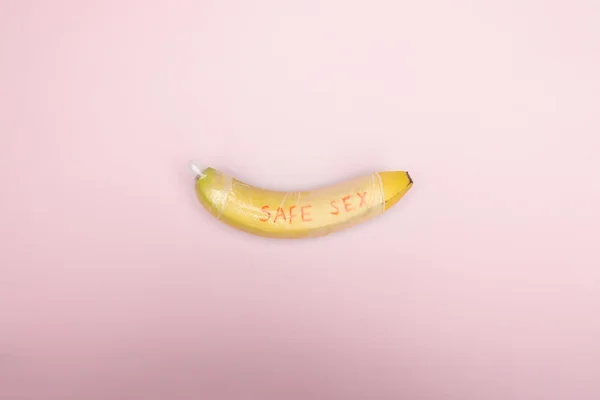
While it is true that oral sex does not carry a risk of pregnancy, the myth that it is entirely 'safe sex' because of this is dangerous. Oral sex can transmit a wide range of sexually transmitted infections, including herpes, gonorrhea, syphilis, chlamydia, and human papillomavirus (HPV). These infections can affect the mouth, throat, genitals, or anus. The absence of pregnancy risk does not equate to the absence of health risks. What you need to know is to use barrier methods, such as condoms on penises and dental dams for vulvas or anuses, to significantly reduce the risk of STI transmission during oral sex.
| Myth | Reality | Key Takeaway |
|---|---|---|
| Size matters most for pleasure. | Technique, connection, and communication are key. | Focus on intimacy and diverse pleasures. |
| Can't get pregnant during period. | Sperm survives; ovulation can be irregular. | Always use contraception to prevent pregnancy. |
| You can tell if someone is a virgin. | Hymen varies, no physical indicators. | Virginity is a personal construct. |
| All STIs have obvious symptoms. | Many STIs are asymptomatic or mild. | Regular testing is crucial for prevention. |
| Oral sex is 'safe sex' (no pregnancy). | Oral sex can transmit many STIs. | Use barrier methods for safer oral sex. |
How it works / how to use
Applying accurate sexual health information involves a commitment to continuous learning and open dialogue. It means actively seeking out reliable sources, such as medical professionals, reputable health organizations, and evidence-based educational materials, rather than relying on anecdotal evidence or popular culture. Integrate this knowledge into your personal life by fostering honest communication with partners about desires, boundaries, and sexual health history. This proactive approach allows you to make informed decisions about contraception, STI prevention, and consensual sexual activities, ensuring that your experiences are both pleasurable and safe. Embrace curiosity and be willing to challenge long-held beliefs to build a healthier understanding of sexuality.
Pros and cons
- Pros of Debunking Myths: Leads to informed decisions, reduces anxiety and shame, enhances sexual pleasure and satisfaction, improves communication with partners, promotes safer sexual practices, and supports overall well-being.
- Cons of Believing Myths: Can result in unintended pregnancies, increased risk of STIs, negative body image issues, relationship strain, unfulfilled desires, and a general lack of confidence in sexual encounters.
Tips and recommendations
To navigate your sexual health effectively, prioritize open and honest communication with your partner(s) about desires, boundaries, and sexual health status. Always use reliable forms of contraception to prevent unintended pregnancies and barrier methods like condoms and dental dams to reduce STI transmission risks. Get tested regularly for STIs if you are sexually active, even if you don't have symptoms. Remember that pleasure is diverse; explore different forms of intimacy and focus on mutual enjoyment rather than a singular outcome. Educate yourself continuously from credible sources and challenge assumptions about sexuality, embracing self-exploration as a healthy part of your journey.

Common mistakes
One of the most common mistakes is relying on outdated or anecdotal information about sex, leading to poor health choices and unnecessary anxieties. Another is failing to communicate openly and honestly with sexual partners about boundaries, desires, and sexual health, which can lead to misunderstandings or risky behaviors. Many people also mistakenly assume that the absence of visible symptoms means the absence of STIs, neglecting crucial regular testing. Lastly, equating sexual satisfaction solely with orgasm or specific physical attributes often leads to performance anxiety and a diminished appreciation for the full spectrum of intimate experiences.
FAQ
Q1
How can I find reliable information about sexual health?
A: Seek information from reputable sources such as healthcare providers, certified sex educators, government health organizations (like the CDC or WHO), and well-established sexual health clinics. Avoid relying solely on social media, personal anecdotes, or unverified websites. Look for sources that cite scientific research and medical consensus to ensure accuracy.
Q2
What if I've believed some of these myths for a long time?
A: It's common to have internalized myths given their pervasive nature. The important step is recognizing and challenging them now. Be patient with yourself as you unlearn old beliefs and adopt new, accurate information. Openly discussing these new understandings with a trusted partner or healthcare professional can be a helpful and empowering experience.
Conclusion
Debunking common sex myths is a critical step towards fostering a more informed, healthier, and fulfilling sexual landscape. By replacing misinformation with accurate, evidence-based knowledge, individuals can make empowered decisions about their bodies, relationships, and overall well-being. Embracing openness and continuous education allows for richer, more communicative, and safer sexual experiences. Let us collectively strive for a world where fact, not fiction, guides our understanding of human sexuality, leading to greater intimacy, confidence, and health for everyone.